The Power of Gratitude in Islam
How Expressing Shukr Transforms Your Heart and Increases Blessings
Assalamu 'alaykum wa rahmatullahi wa barakatuhu dear sisters,
Gratitude, or shukr in Arabic, is one of the most powerful and transformative practices in Islam. It's not just about saying "thank you", it's a way of seeing the world, a state of the heart, and a form of worship that brings immense blessings into our lives. When we cultivate gratitude, we open ourselves to Allah's mercy and recognise the countless blessings He has bestowed upon us.
Gratitude in the Quran and Sunnah
The Quran repeatedly emphasizes the importance of gratitude. Allah says, "If you are grateful, I will surely increase you [in favor]" (Quran 14:7). This beautiful promise shows us that gratitude is not just appreciated—it actively multiplies our blessings.
The Prophet peace be upon him was the most grateful of people. He would thank Allah for everything, even in difficult times. His example teaches us that gratitude is not conditional on circumstances—it's a choice we make, a perspective we cultivate.
The Power of Alhamdulillah
"Alhamdulillah" (All praise is due to Allah) is more than just words—it's a declaration of gratitude that transforms our hearts. When we say Alhamdulillah, we acknowledge that every blessing comes from Allah, and this recognition brings peace and contentment.
Make Alhamdulillah a constant part of your day. Say it when you wake up, when you eat, when you see something beautiful, when you complete a task, and even when facing challenges. This simple phrase has the power to shift your entire perspective.
Gratitude for the Small Things
Often, we focus on what we lack and overlook what we have. Start noticing the small blessings: the ability to see, to hear, to walk, to breathe. The warmth of the sun, the taste of food, the comfort of a bed, the love of family. These are not small things—they are immense blessings from Allah.
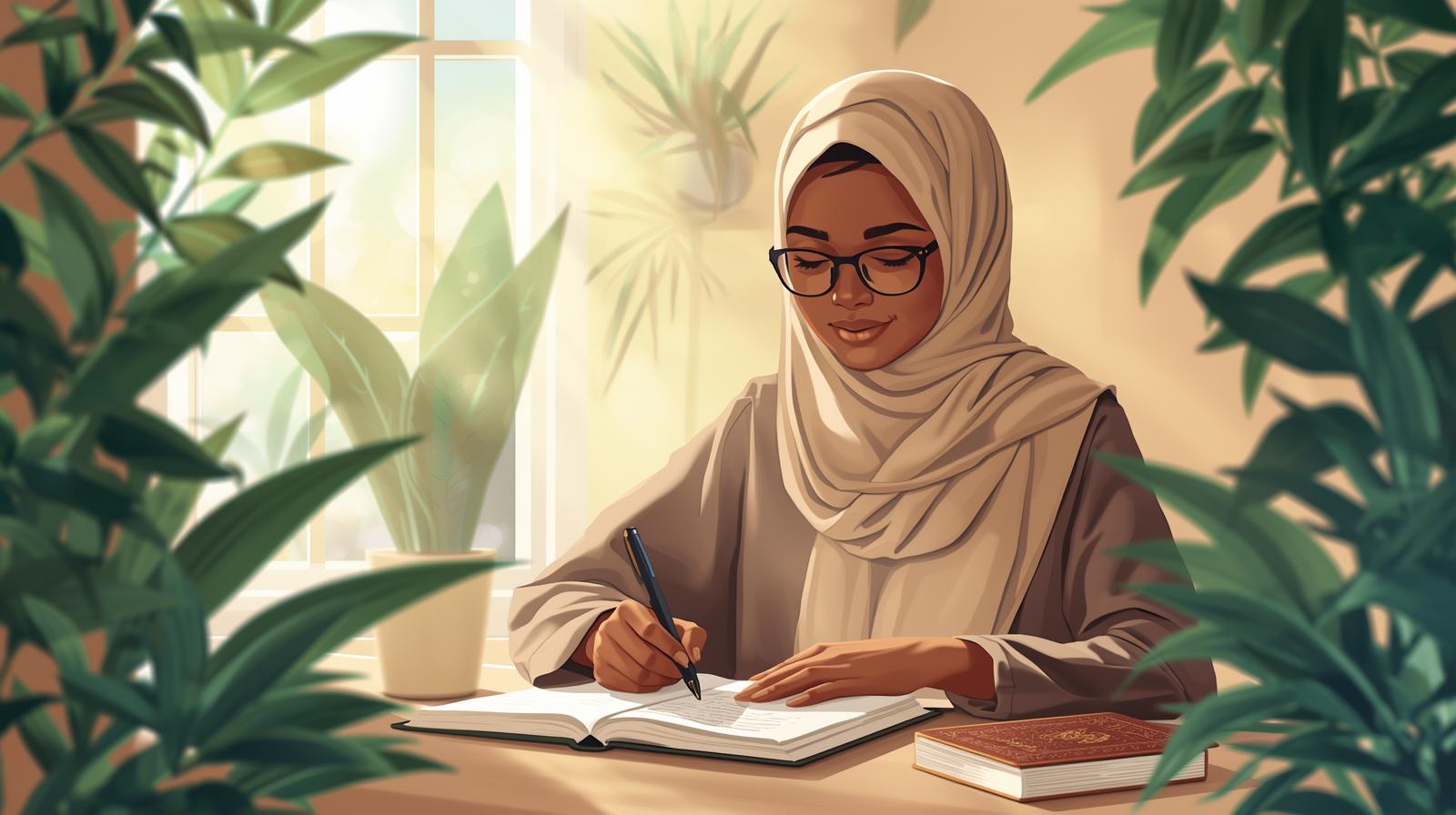
Keep a gratitude journal. Each day, write down three things you're grateful for. This practice trains your mind to seek out blessings and shifts your focus from what's missing to what's present. Over time, you'll find yourself naturally seeing more and more to be grateful for.
Gratitude in Difficult Times
True gratitude is not just for good times, it's also for trials. This doesn't mean we're happy about difficulties, but we recognise that even in hardship, there are blessings. Every trial teaches us, strengthens us, and brings us closer to Allah.
The Prophet peace be upon him said, "How wonderful is the case of a believer; there is good for him in everything, and this is not the case with anyone except a believer. If prosperity comes to him, he thanks Allah, and that is good for him; and if adversity befalls him, he endures it patiently, and that is good for him" (Sahih Muslim).
Expressing Gratitude to Others
Gratitude to Allah includes gratitude to people. The Prophet peace be upon him said, "Whoever does not thank people has not thanked Allah" (Sunan Abi Dawud). Express appreciation to those who help you, support you, or show you kindness.
A simple "Jazakillah khair" (May Allah reward you with good) or "Barakallahu feeki" (May Allah bless you) can brighten someone's day and is a beautiful way to express gratitude while also making dua for them.
Final Reflections
Gratitude is a practice, not a destination. It requires conscious effort and intention. Start small, be consistent, and watch how it transforms your heart and your life. When we focus on what we have rather than what we lack, we find contentment, peace, and joy.
May Allah SWT make us among those who are grateful, who recognise His blessings, and who express our gratitude in words and actions. May He increase us in favour and grant us contentment in this life and the next.
Share your experiences with gratitude and how it has transformed your life below. Let's inspire each other to cultivate this beautiful practice.